Low Mood & Depression Coach Training UK | Practitioner Course — The STILL Method
Live Online Training via Zoom

Low Mood & Emotional Withdrawal Practitioner Training

Train to support people experiencing depression, emotional shutdown and loss of motivation. A trauma-informed coaching framework built on the nervous system — not a clinical model, but the practical support most people never receive.

Duration2 Intensive Days
DeliveryLive on Zoom
Price£295 Early Bird
Group SizeSmall Groups

Why this course exists

Depression affects 1 in 6 adults in England every week. Most are offered medication and a waiting list. Almost nobody is offered the structured, practical coaching support that could help them move forward right now.

The GP route

A 10-minute appointment, often leading to antidepressants and a referral to a talking therapy waiting list that can take months. For many people, this is the only support available.

The therapy route

Clinical counselling and CBT are effective but access is limited, expensive privately, and often requires a level of readiness that someone in deep withdrawal may not have yet.

The gap you fill

Structured, compassionate, practical coaching that helps people rebuild daily routines, reconnect with motivation and regulate their nervous system — while they wait, alongside treatment, or instead of doing nothing at all.

Who is this training for?

No psychology degree or therapy background required. Just a willingness to learn and a genuine desire to help people who are stuck.

Teachers and teaching assistants supporting withdrawn or disengaged pupils

Existing coaches and therapists who want a structured framework for low mood

Social workers, youth workers and support workers in frontline roles

HR professionals and workplace wellbeing leads

Parents and carers supporting a family member through depression

STILL Method coaches who want to add a low mood specialism

Career changers looking for meaningful, flexible work

Anyone with lived experience who wants to turn it into purposeful support for others

Built on what actually works

This course doesn't teach theory for the sake of it. Every tool you learn is drawn from evidence-based psychological frameworks, adapted specifically for coaching use with people experiencing low mood and emotional withdrawal.

NICE Recommended

Behavioural Activation

The single most evidence-backed intervention for depression. You will learn how to help clients break the inactivity cycle using structured activity scheduling, mood-activity monitoring and graded micro-activation. Research shows BA is as effective as CBT for depression and particularly powerful for people stuck in withdrawal.

Polyvagal-Informed

Nervous System Mapping

Most people in low mood are stuck in dorsal vagal shutdown — the nervous system's ancient collapse response. You will learn to help clients recognise which state they are in, understand why "just get up and do something" fails, and use body-based regulation tools to gently shift from shutdown toward safety and reconnection.

From ACT

Values-Based Action

Depression strips away meaning. Drawing on Acceptance and Commitment Therapy, you will learn how to help clients reconnect with what actually matters to them and take small, purposeful steps even when motivation is absent. This is not about positive thinking. It is about building a life worth showing up for.

Compassion-Focused

Working with Shame & the Inner Critic

Depression almost always comes with a vicious inner critic and deep shame. Using tools from Compassion-Focused Therapy, you will learn to help clients soften self-attack, activate the soothing system and build the internal safety that makes change possible. Without this, no other tool lands properly.

Coaching Core

Co-Regulation & Safety

Before any technique works, the person in front of you needs to feel safe. You will learn how to use your voice, your pacing and your presence to create the conditions where someone in withdrawal can begin to re-engage. This is the coaching relationship as a regulation tool in itself.

Practical

Micro-Activation & Routine Rebuilding

When someone cannot get out of bed, you do not start with goals. You start with one thing. You will learn how to design tiny, achievable experiments that build momentum without overwhelming a nervous system already in shutdown. Structure before stretch. Always.

Important: All of these approaches are taught within a clear coaching scope. You will learn where each tool sits, when to use it, and critically, when someone needs more than coaching can offer. This course trains confident, boundaried practitioners — not unlicensed therapists.

What you will learn

Two intensive training days covering everything you need to support people with low mood, emotional withdrawal and mild to moderate depression safely and effectively.

01

Understanding Low Mood & Depression

What depression actually is. How it differs from sadness. The nervous system in shutdown — why people withdraw, lose motivation and disconnect. Understanding the dorsal vagal response and why pushing harder makes things worse, not better.

02

The Coaching vs Clinical Boundary

Clear, confident understanding of where coaching sits alongside therapy and medical treatment. What you can and cannot do. When to refer. How to have that conversation without breaking trust. Ethical practice and safeguarding protocols.

03

Working with Withdrawal & Disconnection

Practical tools for engaging people who have pulled away. Co-regulation, nervous system mapping and building safety before building momentum. Understanding resistance as protection, not defiance.

04

Nervous System Regulation & Behavioural Activation

Adapting STILL Method tools for shutdown rather than overwhelm. Grounding techniques, micro-activation strategies and structured activity scheduling that gently brings people back online without flooding their system.

05

Values, Identity & the Inner Critic

Helping clients reconnect with what matters when everything feels pointless. Values-based action, compassion-focused tools for shame and self-attack, and tiny experiments that rebuild a sense of purpose and momentum.

06

Session Plans, Scripts & Ongoing Support

Complete session frameworks for one-to-one and group delivery. Ready-to-use worksheets, scripts and client materials. You leave with everything you need to begin working with clients immediately after training.

After you qualify

Training is only the beginning. Here is what you walk away with.

Professional Certification

Low Mood Practitioner certification from The STILL Method, recognised across the wellbeing and coaching sector.

Complete Coaching Toolkit

Session plans, worksheets, scripts and client resources — everything you need to start delivering sessions straight away.

Ongoing Mentoring

Access to mentoring support during and after training, with the option to join The STILL Method practitioner network for continued development.

Flexible Career Options

Work one-to-one, run group programmes, deliver in schools or workplaces, or add this specialism to your existing practice.

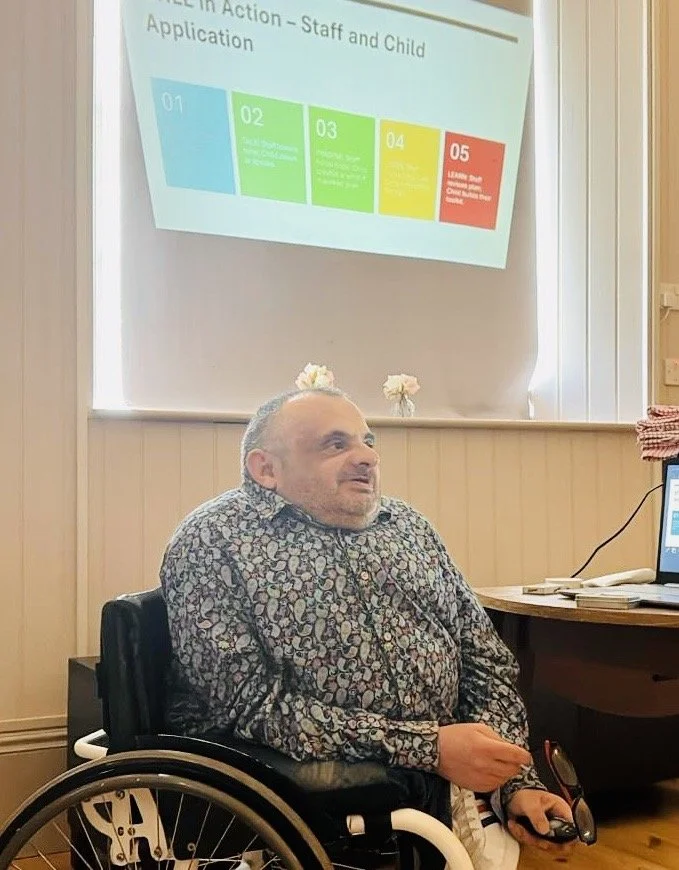
Stuart Thompson, founder of The STILL Method

Your trainer

Stuart Thompson created The STILL Method after more than 20 years working as a therapist and social worker. A wheelchair user since birth, Stuart brings both professional expertise and lived experience to everything he teaches.

Stuart has trained over 50 coaches who now deliver anxiety, grief, sleep, art, and emotional regulation support across the UK and internationally. The STILL Method has been featured in The Guardian and is used in schools, children's homes, workplaces and private practice settings nationwide.

"Depression isn't the opposite of happiness. It's the nervous system pulling the handbrake. This course teaches you how to help people release it — gently, safely, and at their pace."

Book your place

Train live with Stuart on Zoom in a small group. Dates fill quickly.

Live Online Training

£395 £295

Early bird price · Payment plans available

  • 2 intensive days on Zoom with Stuart
  • Interactive group exercises and practice
  • Evidence-based tools you can use immediately
  • Complete session plans and client materials
  • Low Mood Practitioner certification
  • Ongoing mentoring support after training
  • Option to join the STILL Method network
Book Your Place — 27th June 2026

Frequently asked questions

Everything you need to know about training as a Low Mood Practitioner with The STILL Method.

Yes. Coaching offers structured, practical support for people experiencing low mood, emotional withdrawal and mild to moderate depression. It is not a replacement for clinical treatment but sits alongside it — filling the gap between a GP appointment and a therapy waiting list. This course trains you to support people using trauma-informed, evidence-based coaching tools grounded in the STILL Method framework.

Depression counselling and therapy typically involve diagnosis, clinical assessment and in-depth exploration of past experiences. Coaching focuses on practical, forward-looking support — helping people rebuild daily structure, reconnect with motivation, regulate their nervous system and take small meaningful steps. Coaches do not diagnose or treat. They support people who are stuck and help them move forward safely.

The course draws on several well-established psychological frameworks adapted for coaching use. These include behavioural activation (NICE-recommended for depression), nervous system regulation informed by polyvagal theory, values-based action from Acceptance and Commitment Therapy, and compassion-focused tools for working with shame and the inner critic. Every tool is taught within a clear coaching scope with proper boundaries.

No. You do not need a psychology degree or therapy background. This course is designed for beginners as well as experienced professionals. Many of our students are teachers, support workers, parents, carers and people changing careers. We teach you everything you need to know, including safeguarding, session planning and ethical boundaries.

No. This course is fully standalone. You do not need to have completed any other STILL Method training before enrolling. However, many practitioners choose to combine multiple STILL Method courses to broaden their expertise and offer more to their clients.

Safeguarding is central to this course. You will learn clear boundaries between coaching and clinical treatment, how to recognise when someone needs more support than coaching can offer, and how to make appropriate referrals. The course includes a dedicated module on risk awareness, ethical practice and working within your scope. You will never be asked to diagnose, treat or work beyond your competence.

The course is delivered live online via Zoom across two intensive training days, usually 9:30am to 2:30pm with breaks. You train directly with Stuart Thompson in a small group, with interactive exercises, practice and real-time support throughout.

The course is usually £395, with an early bird price of £295. Payment plans are available. The fee includes full access to all course materials, session plans, client resources, certification and ongoing mentoring support.

Absolutely. Many of our practitioners are teachers, social workers, HR professionals, therapists or youth workers who integrate low mood coaching into their current role. Others use it to start a new coaching practice or add a specialism to existing coaching work.

Ready to fill the gap?

Depression support shouldn't only be available to people who can afford private therapy or survive an NHS waiting list. Train to be part of the solution.

Reserve Your Place — £295 Early Bird