Anxiety support for children and teens aged 8 to 18
Practical, creative sessions for children and teenagers who feel anxious, overwhelmed or stuck, plus support for the adults around them.
• School anxiety, sleep struggles, anger, shutdown and overthinking
• Creative one to one and small group sessions, in person or online
• Parents involved so changes do not disappear once the session ends
Anxiety in children is not just worry. It can look like tummy aches, anger, perfectionism, silence or refusing to go to school. When you are the adult who loves them, it can feel frightening and lonely trying to work out what is really going on.
The STILL Method is a structured anxiety programme for children and teenagers aged eight to eighteen. It combines clear explanations, creative activities and practical tools so young people can understand what is happening in their body and begin to feel safer again.
If you are here as a parent, carer or educator, you do not have to hold all of this on your own. You can
join our free online workshop for parents and teachers of anxious children
or go straight to anxiety support for children and adults if you need help now.
How anxiety may look in children and teens
Anxious children rarely sit down and say they feel anxious. It shows up in behaviour, sleep and school before it shows up in words.
You might recognise some of these patterns.
School refusal or tears before school, with tummy aches or headaches that come and go
Angry outbursts or meltdowns at home, while being very quiet or compliant in class
Difficulty falling asleep or needing you close by at night
Overthinking, constant questions, fear of getting things wrong
Withdrawing into screens, headphones or silence
Sudden change in marks, friendship groups or attendance
Anxious teenagers often look as if they do not care, when the truth is that caring feels too painful. They may act like they are above it all, use humour or shut down completely.
None of this means your child is broken, dramatic or attention seeking. It is a nervous system that has started to treat ordinary life like a threat. STILL Method sessions help make sense of this and give them tools they can actually use.
If you want to read more first, you can explore
Ten powerful ways the STILL Method helps children overcome anxiety naturally
What STILL Method sessions for anxious children actually look like
STILL Method sessions are practical, structured and child friendly. They are delivered by trained STILL Method anxiety coaches who work with children and teens every day.
Most children work with a coach for a set number of sessions, often six to eight, with the option to extend if needed. Sessions can be one to one or in carefully chosen small groups.
Each session includes three things.
Understanding
Children and teens learn what anxiety is, why their body reacts the way it does, and that they are not the only one who feels like this. We use stories, metaphors and simple science rather than long lectures.
Tools
Every session includes at least one tool for panic, worry, anger or shutdown. These might be breathing and grounding techniques, ways to change unhelpful thought patterns, or physical actions that help the body feel safer. Tools are written or drawn in a workbook so they can be remembered later.
Practice
Young people are invited to try tools during the session and between sessions in real life. We look together at what helped, what did not, and how to adapt it so it fits them better. This is about building confidence and choice, not perfection.
You can see how the STILL Method works with adults on our
anxiety coaching for adults page. The children programme uses the same five STILL pillars in an age appropriate way.
Where and how sessions happen
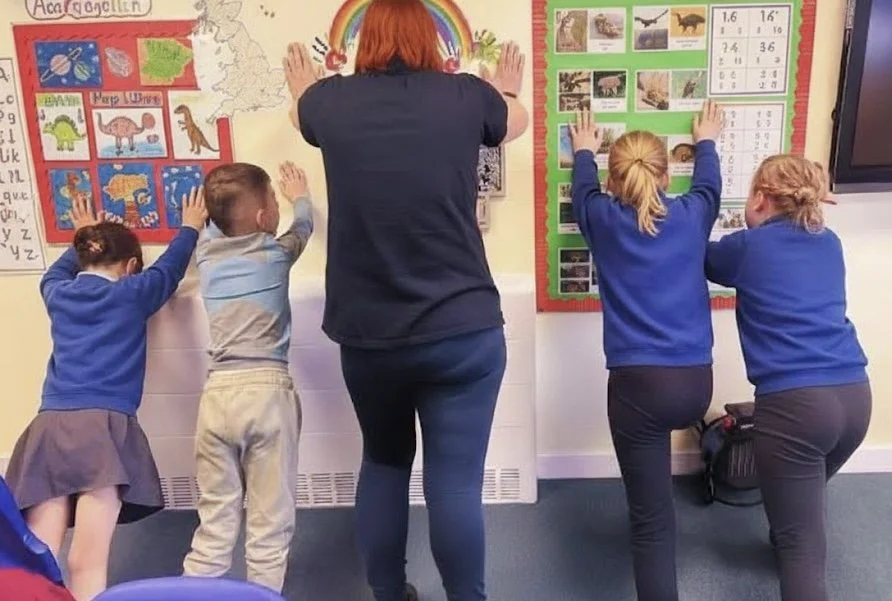
STILL Method children sessions are delivered by trained and registered coaches. Some work online, some in schools and community settings, and some face to face in their local area.
You can:
Find a STILL Method coach and contact them directly
Use our main anxiety support page if you are not sure what format is best
Contact us if you are a school or children home looking for the STILL Model for schools and care settings
If your child is very young, you can also ask about our early years STILL Tots sessions which are available with some coaches.
If you are interested in becoming a coach you can explore our Anxiety Coach Training
and additional training on emotional regulation and anxious children.
What happens when you reach out
Reaching out about your child anxiety can feel exposing. You may worry you will be judged, or that someone will tell you to just be firmer or more relaxed.
When you contact a STILL Method coach or our team:
One
You share as much or as little as you feel able to about what is happening for your child or teen and for your family. This can be by form, email or a short call.
Two
We look at what you are facing and suggest possible routes. This might be one to one sessions, a small group, online work or a mix of support for the child and for you as the adult.
Three
You decide what feels possible right now. Nobody will push you to commit on the spot.
If we feel a different type of support or service would be more appropriate, we will say that clearly.
If you are ready for the next step you can
Talk to someone about my child
or Find a children anxiety coach.

“The course content is very easy to understand and the information is given in a relaxed way. I felt calm during the sessions and they have given me the confidence to combat anxiety moving forwards..”
— Poppy 18
“From our point of view we thought it was an amazing opportunity for The Still Method anxiety course to be offered to the children who would be attending in September, and that the school have recognised how important children's mental health is for their wellbeing and education. ______ showed us quite a few techniques she has learnt and we hope as she gets older and moves through secondary school she can learn to put some of these into practice to lower anxiety. I have noticed a change in her resilience and ability to articulate her feelings.”
— Parent
“think ______ has gained a lot of new techniques whilst attending the Still Method workshops. It has also enabled her to listen to how her peers are feeling and explore different situations that others find challenging. This has supported her feeling more connected with her peers, which she finds challenging.”
— Parent