Can You Become a Pain Coach Without a Medical Degree?
It is one of the most common questions we get asked. Can I really train as a pain coach if I do not have a medical background?
The short answer is yes. And here is why that makes sense.
Pain coaching is not a clinical role
There is an important distinction between clinical practice and coaching. Doctors diagnose. Physiotherapists rehabilitate. Psychologists assess and treat mental health conditions. These roles require years of regulated clinical training, and rightly so.
Pain coaching sits in a different space. A pain coach does not diagnose, prescribe medication, or deliver clinical interventions. Instead, they support people with the emotional, behavioural, and psychological impact of living with long term pain. That includes things like nervous system regulation, confidence rebuilding, identity work, and practical tools for daily life.
It is a complementary role. It works alongside medical care, not instead of it.
What qualifications do you actually need?
To work professionally as a pain coach, you need proper training in a recognised, accredited method. That means understanding pain neuroscience at a level your clients can relate to, knowing your scope of practice, being trained in trauma informed approaches, and having the coaching skills to hold space for people who are often exhausted and afraid.
What you do not need is a nursing degree, a physiotherapy qualification, or a psychology doctorate.
The STILL Method Pain Coach Training is designed specifically for people without clinical backgrounds. It is accredited by IPHM and ACCPH, and it covers everything from the science of how pain works in the nervous system through to practical session delivery, ethical boundaries, and how to build a coaching practice.
Plenty of trained STILL Method Pain Coaches come from backgrounds in education, social work, community care, counselling, and wellbeing. Some are existing life coaches or anxiety coaches adding a specialism. Others have personal experience of chronic pain and want to use that understanding to support other people.
Lived experience counts for a lot
One of the things that sets pain coaching apart from clinical pain work is the value placed on lived experience. If you have spent years navigating the healthcare system, managing flare ups, dealing with the isolation that chronic pain brings, and rebuilding your life around a condition that never fully goes away, you already understand something that no textbook can teach.
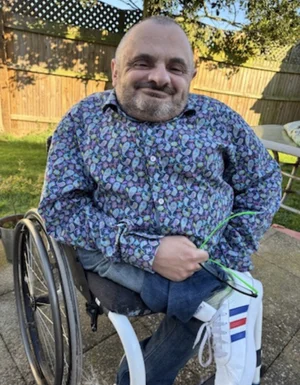
Stuart Thompson, who created The STILL Method, was born with brittle bone disease and has broken nearly every bone in his body. The Pain Coach Training was built from that experience as much as from research. It is designed for people who understand pain from the inside and want to turn that into something that helps others.
That is not to say lived experience alone is enough. It is not. You still need structured training, accreditation, and an understanding of boundaries. But combined with the right course, personal experience becomes one of the most powerful tools a coach can bring to their work.
What about credibility with clients?
This is a fair concern. People in pain are often sceptical, especially if they have been let down by the system. They want to know that their coach knows what they are talking about.
Accreditation helps. IPHM and ACCPH are recognised professional bodies, and having those letters behind your name signals to clients and employers that you have met a professional standard.
But credibility also comes from competence. When a coach can explain why pain increases under stress, or why flare ups do not mean damage, or how the brain can learn to turn down its threat response, that builds trust fast. You do not need a stethoscope for that. You need clear language, solid training, and genuine care.
Is it worth it?
Chronic pain affects roughly one in four adults in the UK. Most of those people are underserved by the current system. They get medication, maybe physio, and very little ongoing emotional or psychological support.
Pain coaching is growing because there is a real, unmet need. And because it is non clinical, coaches can work online, set their own hours, and build a practice that fits around their life.
If you have been thinking about it, the barrier is lower than you might expect. You do not need a medical degree. You need the right training, the right values, and a willingness to sit with people in some of the hardest moments of their lives.