What Does a Pain Coach Do?
By Stuart Thompson, creator of The STILL Method
Most people hear "pain coach" and picture a personal trainer with ideas above their station. Or a therapist who has rebranded.
It is neither.
A pain coach works in a space that medicine has largely left empty and it is one of the most needed spaces in health and wellbeing support right now.
Pain is not just a physical problem
Chronic pain is not purely a damage signal. It is a nervous system output, shaped by fear, memory, stress, and the stories a person has absorbed about their condition over years.
This is not a way of saying the pain is not real. It is very real. It is a way of explaining why better painkillers and more rest do not solve it and why 28 million adults in the UK are still struggling despite having tried both.
Medication blunts the signal. Rest removes the trigger temporarily. Neither addresses what is happening underneath.
A pain coach starts there.
What actually happens in a session
A pain coach listens to the full story of someone's pain — not to diagnose it, but to understand what beliefs and fears have become woven into the experience itself. Fear of pain is frequently more disabling than the pain. When someone has spent years being told their spine is "crumbling" or their nerve is "permanently damaged," that language becomes part of how the nervous system responds.
They teach. Not in a lecturing way, but in a way that gives people a different relationship with what is happening in their body. When someone shifts from "my body is broken" to "my nervous system has learned a pattern I can influence," everything changes.
They work with the body directly breath, movement, grounding, regulation techniques that shift the nervous system out of threat states. And they work with identity, because chronic pain steals careers, relationships, and self-image, and no amount of medication touches that.
This is not therapy. It is structured, practical, forward-focused coaching built around the actual science of how chronic pain works.
If you want to know what that training looks like, the STILL Method Pain Coach certification is here.
Why this role is growing
One in four adults in the UK lives with chronic pain. Most are offered medication and a referral to a waiting list. The gap between what people need and what the system can provide is wide, and it is not closing.
Pain coaches do not fix that gap entirely. But they offer something the system cannot time, structure, and a framework built around the nervous system rather than the symptom.
That is not a niche. That is an enormous unmet need.
Who trains as a pain coach
Coaches who want to specialise. Therapists who already work with chronic pain clients but feel under-equipped. Nurses, OTs, and support workers who encounter pain daily and want better tools. And people who have lived with chronic pain themselves and want to turn that understanding into work that helps others.
What they share is not a qualification. It is the recognition that chronic pain deserves better than it is currently getting.
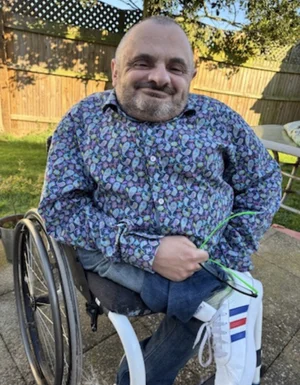
I was born with brittle bone disease. I have broken nearly every bone in my body. The STILL Method Pain Coach training was built from research, clinical knowledge, and the lived experience of finding a way to exist alongside a nervous system running at capacity.
If you work with people in pain and your current toolkit is not enough, you can find out more about the training here.