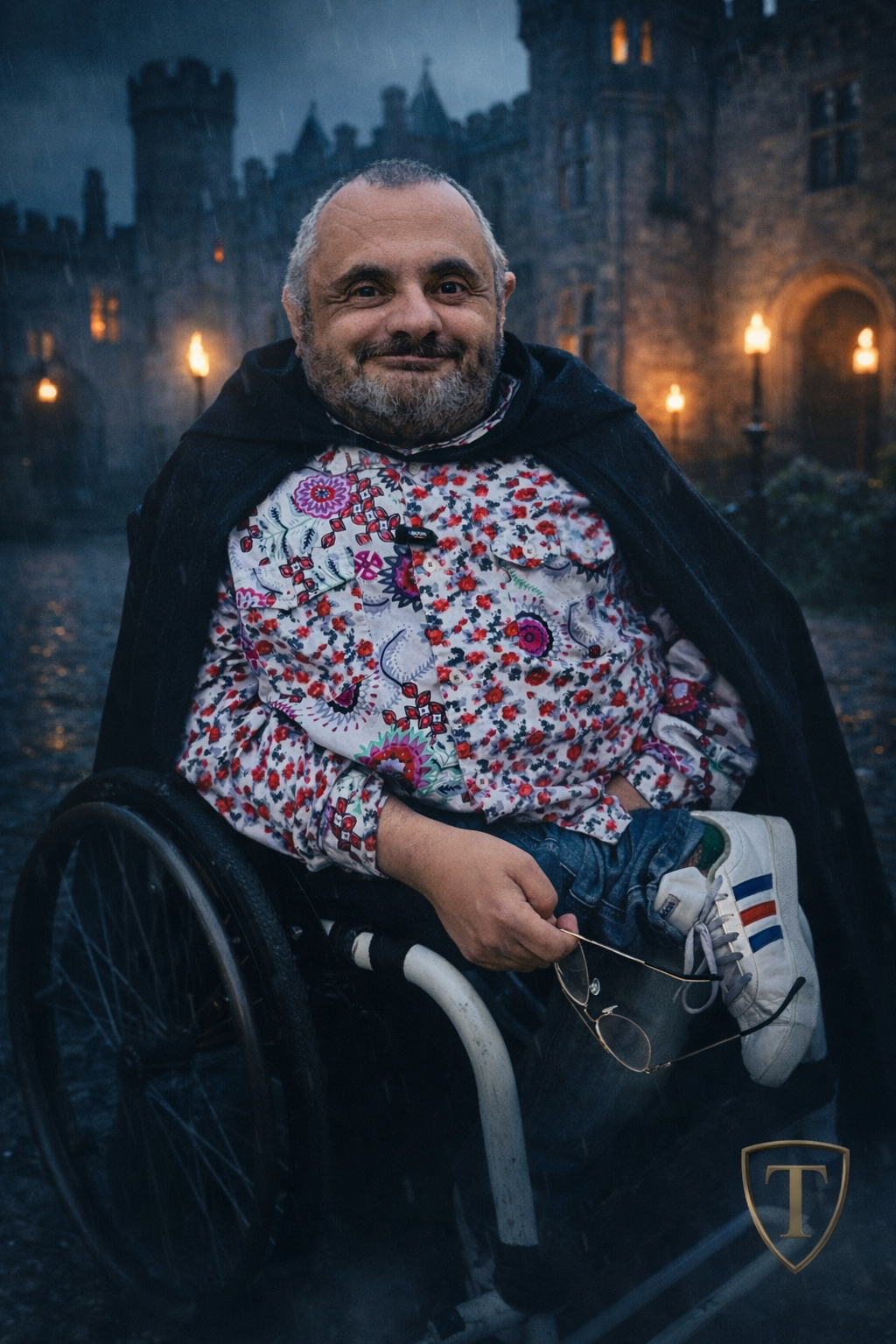
What Traitors Teaches Us About Trust After Betrayal
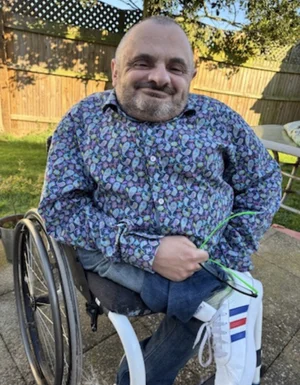
Stuart Thompson The Creator of The STILL Method
If you've been watching the latest series of Traitors, you'll know the feeling. That knot in your stomach as someone you trusted is revealed to have been lying all along. The disorientation when everything you believed about a person turns out to be false. The quiet voice asking: how could I not see it?
For many of us, Traitors is uncomfortable viewing precisely because it mirrors something deeply familiar. The show strips away emotional safety and forces contestants into a state of constant hypervigilance. They must question every word, every gesture, every alliance. And for people who have experienced betrayal in real life—whether through trauma, broken relationships, or childhood experiences—this isn't just entertainment. It's triggering.
Why Traitors Feels So Uncomfortable
At The STILL Method, we work with children, teenagers and adults whose nervous systems have learned that the world is not safe. Perhaps they grew up with inconsistent caregivers. Perhaps they experienced trauma that taught them people can't be trusted. Perhaps they've been betrayed by someone they loved.
These individuals live in a state similar to the contestants on Traitors. They scan for danger. They test people's loyalty. They hold back emotionally, waiting for the inevitable moment when the mask slips and the betrayal is revealed. It's exhausting. And it makes genuine connection almost impossible.
The show works so well as entertainment because it deliberately creates the conditions that many anxious people experience every day: emotional unsafety, unpredictability, and the constant threat of betrayal. Contestants can't relax. They can't assume good faith. They must constantly calculate who might be lying and what their true motives are.
This is hypervigilance. And for some viewers, watching Traitors isn't escapism—it's watching their own internal experience play out on screen.
What Happens When Trust is Broken
When we experience betrayal, our nervous system learns a lesson: people are dangerous. This isn't a conscious belief we choose. It's a protective response, wired deep in our bodies, designed to keep us safe.
For children who've experienced trauma, this can show up as school refusal, aggression, withdrawal, or an inability to connect with teachers and peers. They've learned that adults can't be trusted, so they hold themselves apart, waiting for the next betrayal.
For adults, it might look like difficulty forming relationships, chronic anxiety in social situations, or an overwhelming need to control every interaction. The nervous system is doing its job—keeping you vigilant—but at the cost of genuine connection and peace.
The problem is that once trust is broken, rebuilding it feels impossible. How do you let someone close when your body is screaming danger? How do you believe someone's words when you've been lied to before? How do you stop scanning for betrayal when betrayal has been your experience?
Rebuilding Trust After Betrayal: What Actually Helps
At The STILL Method, we don't tell people to "just trust again" or "let it go." That's not how nervous systems work. Instead, we help people understand what's happening in their bodies and give them tools to gradually rebuild a sense of safety.
Here's what actually helps:
1. Understanding Your Nervous System Response
When you've been betrayed, your nervous system shifts into a protective mode. You become hypervigilant, scanning for signs of danger. This isn't weakness or paranoia—it's your body trying to keep you safe.
The first step in healing is recognising this response for what it is: a survival mechanism. Not a character flaw. Not something you need to "get over." A legitimate response to a real threat.
Through trauma-informed practice, we help people understand why they feel the way they do. This alone can be profoundly relieving. You're not broken. Your body is doing exactly what it's designed to do.
2. Stop, Talk, Imagine, Listen, Learn: The STILL Framework
The STILL Method is a five-step framework designed to help people move from survival mode to genuine connection. Here's how it applies to rebuilding trust:
Stop: In moments of panic or hypervigilance, we teach people to pause. Not to suppress the fear, but to acknowledge it without letting it take over. Simple regulation tools—like "Holding One Point" or focused breathing—can bring the nervous system down from alarm.
Talk: Name what's happening. "I feel scared because this reminds me of when I was betrayed before." Naming the fear takes some of its power away. It also creates space for the other person to respond with empathy rather than defensiveness.
Imagine: What would it look like if this person was trustworthy? Not blind optimism, but a small, believable step forward. "Maybe they're not lying this time. Maybe I could let my guard down just slightly and see what happens."
Listen: Pay attention to your body. What is it telling you? Is this fear based on current reality, or is it an old pattern playing out? Sometimes the fear is a valid warning. Sometimes it's an echo from the past. Learning to tell the difference is crucial.
Learn: Over time, as you practise these steps, your nervous system begins to relearn. Not everyone is dangerous. Not every situation will end in betrayal. Small moments of safety accumulate, and trust becomes possible again—not naively, but wisely.
You can explore more about our approach through our accredited training programmes or by working with one of our trained coaches.
3. Building Safety in Small Steps
Trust isn't rebuilt overnight. It happens in small, repeated experiences of safety. A friend who keeps their word. A partner who stays calm when you express fear. A therapist who doesn't judge your hypervigilance but helps you understand it.
For children recovering from trauma, this might mean consistent routines, predictable responses from caregivers, and adults who don't take their mistrust personally. For adults, it might mean choosing relationships carefully, communicating boundaries clearly, and allowing yourself to be vulnerable in small, measured ways.
This is the work we do in STILL coaching sessions: helping people rebuild their sense of safety, one small step at a time. We don't rush the process. We meet people where they are and honour the very real reasons they've learned not to trust.
4. Learning to Trust Yourself Again
One of the most painful aspects of betrayal is the loss of trust in yourself. How did I not see it? Why did I believe them? What's wrong with me?
This self-blame can be as damaging as the original betrayal. But here's the truth: you trusted because trust is a healthy, human response. You believed because you were capable of connection. The betrayal wasn't your fault—it was a failure on the part of the person who lied.
Part of healing is learning to trust your own judgement again. Not perfectly—none of us can predict others' behaviour with certainty—but reasonably. You can learn to recognise red flags without seeing them everywhere. You can learn to trust your gut without letting fear make every decision.
For people struggling with sleep after betrayal or trauma, this often shows up as an inability to let go at night. The mind replays the betrayal, searching for clues you missed. The body stays on high alert, unable to rest. Our Restful Reboot programme helps people calm their nervous systems enough to sleep again, even when trust feels broken.
Traitors as a Mirror
Watching Traitors can be fascinating because it externalises an internal experience. The paranoia, the doubt, the constant recalibration of who can be trusted—these are the everyday realities for people living with anxiety, trauma, or the aftermath of betrayal.
But here's the key difference: in Traitors, the danger is real. There are traitors. Suspicion is warranted. The contestants' hypervigilance is adaptive in that environment.
In real life, most of us are no longer in the situation that originally broke our trust. The danger has passed. But our nervous systems haven't caught up. We're still operating as if we're in the castle, surrounded by potential traitors, when in reality, we're surrounded by mostly ordinary, mostly trustworthy people.
The work of healing is helping your nervous system realise: It's not Traitors anymore. You can come down from high alert. You can start to trust again—carefully, wisely, but genuinely.
When Watching Traitors Feels Too Much
If you've found yourself unable to watch Traitors, or if it leaves you feeling more anxious than entertained, that's information worth paying attention to. Your nervous system might be telling you that you're already carrying too much hypervigilance in your everyday life. You don't need to watch it play out on screen.
For children and teenagers, exposure to content that mirrors their own anxiety can be genuinely distressing. If your child is struggling with trust issues, school refusal, or heightened anxiety, programmes like Traitors might inadvertently reinforce their belief that people can't be trusted.
Similarly, for adults navigating grief, relationship breakdown, or workplace betrayal, watching a show premised entirely on deception might feel unbearable rather than entertaining.
That's okay. You're not weak for finding it too much. You're listening to your body. And that's exactly what we teach in The STILL Method: pay attention to what your nervous system is telling you, and respond with compassion rather than judgement.
Moving Forward
Betrayal changes us. It teaches our bodies to be careful, to watch for signs of danger, to protect ourselves. These are survival skills, and they matter.
But they can also trap us in a life of constant vigilance, where genuine connection becomes impossible. The work of healing isn't about pretending the betrayal never happened or forcing yourself to trust blindly. It's about helping your nervous system understand that while betrayal was real, it doesn't have to define your future.
At The STILL Method, we help people—children, teenagers, and adults—rebuild their sense of safety and learn to trust again. Not naively. Not recklessly. But wisely, with tools that actually work.
Because trust after betrayal isn't about forgetting what happened. It's about teaching your body that safety is possible again. And that's work worth doing.
If you'd like support rebuilding trust after trauma or betrayal, you can find a STILL Method coach or learn more about our anxiety support programmes. For professionals wanting to help others navigate these issues, explore our accredited training.