Why Chronic Pain Coaching Is One of the Fastest Growing Wellbeing Careers in the UK
If you are looking for a wellbeing career that meets a genuine need, pain coaching should be on your radar. It is one of the most underserved areas in UK health and wellbeing, and the demand is growing faster than the supply of trained professionals.
The STILL Method Pain Coach Training was built specifically to address this gap. Here is why the opportunity is real and why it matters.
The numbers speak for themselves
Chronic pain affects approximately 28 million adults in the UK. That is roughly one in four people. It is the most common reason for GP visits and one of the leading causes of long term sickness absence from work.
Despite this, the support available is overwhelmingly clinical. Pain clinics have long waiting lists. GPs have ten minutes per appointment. Physiotherapy addresses the physical side but rarely the emotional. Psychological support is almost impossible to access without a formal mental health diagnosis.
That leaves millions of people managing pain with medication alone, or managing it with nothing at all. The emotional, psychological, and behavioural side of chronic pain is massively underserved. Pain coaching exists to fill that space.
What makes it different from other coaching niches
There are a lot of coaching qualifications on the market. Life coaching, health coaching, wellness coaching. Some are rigorous. Many are not.
Pain coaching is different because it addresses a specific, complex, evidence based need. People with chronic pain are not looking for motivation or goal setting. They are dealing with nervous system dysregulation, identity loss, fear avoidance, grief, and daily exhaustion. The coaching framework needs to match that complexity.
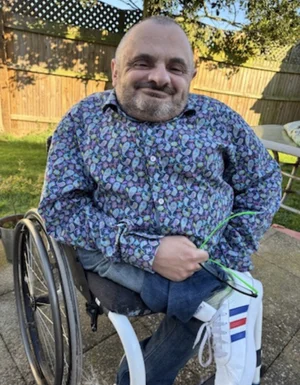
The STILL Method Pain Coach Training teaches a structured, trauma informed approach grounded in pain neuroscience, mind body regulation techniques, and emotional coaching. It is not a generic wellbeing qualification repackaged with the word "pain" on the front. It was designed by someone who has lived with chronic pain for his entire life and who spent 20 years as a social worker before building the method.
That matters. Clients notice the difference between a course that understands pain and one that has simply added it to the syllabus.
Who is this for?
Pain coaching attracts a wide range of people. Existing coaches and therapists who want to specialise are a natural fit. But so are people working in education, social care, community health, and HR who see the impact of chronic pain in the people they work with every day.
People with lived experience of chronic pain are also increasingly drawn to this work. Having navigated the system yourself gives you a depth of understanding that cannot be learned from a textbook. Combined with proper training and accreditation, it becomes a genuine professional strength.
You do not need a medical background. The role is non clinical. What you need is emotional maturity, an ethical approach, and a willingness to sit with people in difficult places.
The practical side
The STILL Method Pain Coach Training is delivered over four days live on Zoom, with the option to study self paced online. It is accredited by IPHM and ACCPH, which gives you professional credibility from day one.
Upon completion, you are licensed to deliver one to one and group pain coaching using the STILL Method framework. You receive session plans, workbooks, and scripts ready to use with clients. You also get ongoing mentoring, community support, and your profile listed on the STILL Method website as a Certified Pain Coach.
The current investment is below the regular price, and it includes lifetime access to all materials and future updates. For a professional qualification with dual accreditation, that is competitive by any measure.
The real reason to consider this
Beyond the career opportunity, there is something else worth saying. The people who come to pain coaching are often at their lowest. They have been through the system. They have been told there is nothing more that can be done. They have lost confidence, identity, and sometimes hope.
Being the person who helps them find a way forward is not a small thing. It is meaningful work. The kind that stays with you.
If that appeals to you, and the numbers make sense, this is a career worth exploring seriously.
Learn more about training as a Certified Pain Coach with The STILL Method