How to Calm an Overactive Mind
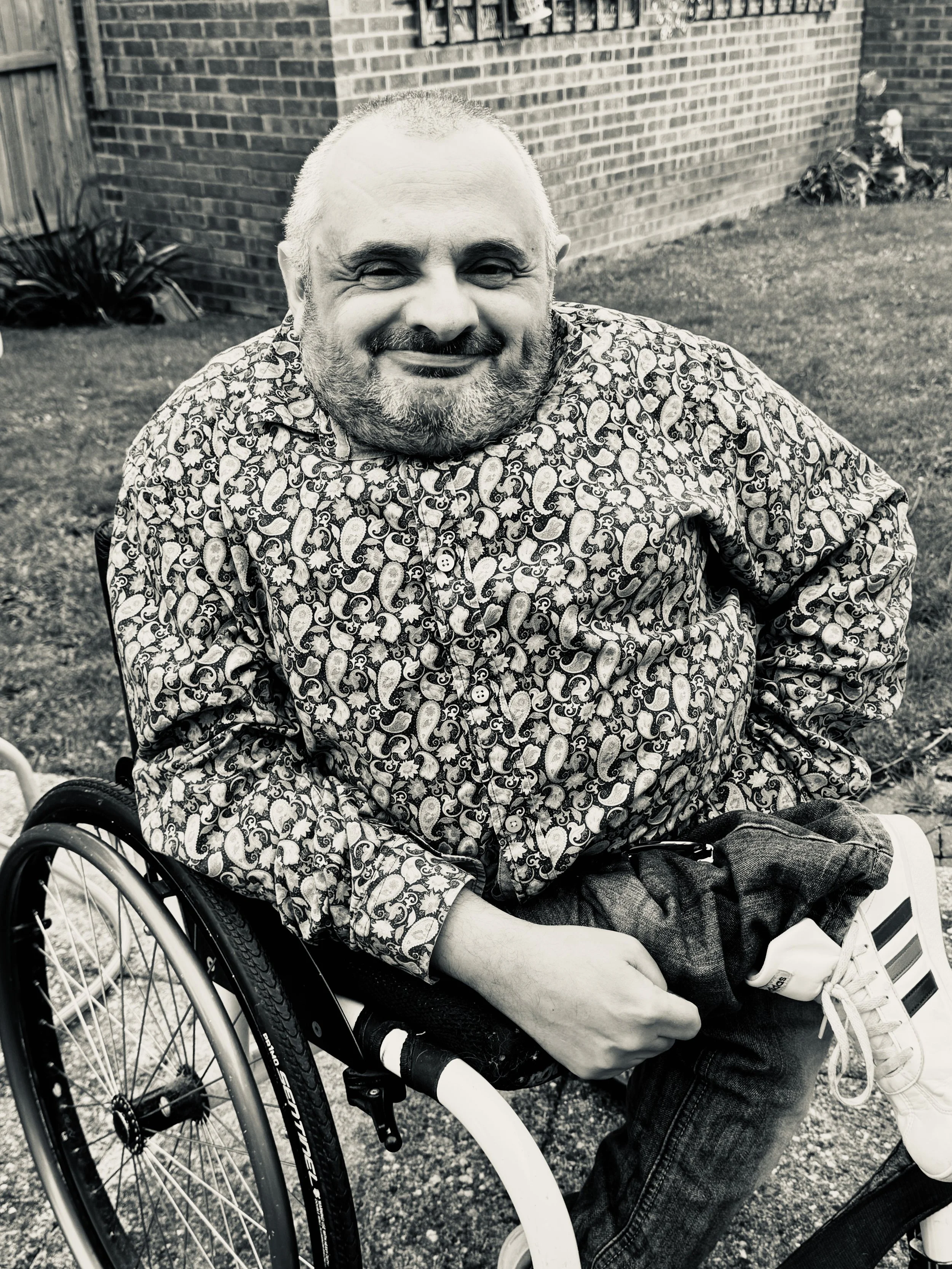
A Letter from Stuart Thompson -creator of STILL
You know that feeling when your mind decides to rehearse every possible disaster at two in the morning. Not the helpful kind. The “what if everything collapses tomorrow and it is all my fault” kind. If you are human, you have been there. And if you are anxious, you have probably set up camp there.
An overactive mind is not a sign that something is wrong with you. It is usually a sign that your brain is working too hard. Like a toddler who has found a marker pen and is now enthusiastically drawing on every available surface, your mind thinks it is being helpful. It is trying to prepare you. Protect you. Keep you safe. It just has no idea when to stop.
This is what most people never get told. An overactive mind is not dangerous. It is not proof of weakness. It is simply a brain with the volume turned too high. And once you learn how to reach the volume dial, everything changes.
Let me tell you a little secret from the world of neuroscience. The mind likes to keep itself busy. Researchers once noticed that even when a person is resting, the brain is buzzing with activity. They even named it the default mode network. It is basically the brain’s idle chatter mode. Some people call it daydreaming. Others call it worrying. It is the same network, just different stories.
In people with anxiety, this network becomes a bit like an untuned radio. Always on. Always noisy. Flicking from one station to the next without landing anywhere pleasant. One moment you are thinking about the school run. The next minute your brain has confidently informed you that you will fail at everything you try for the next ten years.
So what do people do. They fight it. They say things like “stop thinking” or “calm down.” But trying to make an anxious mind stop thinking is like trying to stop waves with your hands. The harder you push, the harder it pushes back.
There is another tactic that people use. Avoidance. They avoid the things that trigger the thoughts. They keep life small. They avoid challenges. They avoid growth. And for a while, it feels like it works. But avoidance never quietens the mind. It only teaches the mind that the world is too dangerous to face.
This is where emotional regulation comes in. Nobody teaches it at school. Nobody hands you a guide when you have your first moment of panic. But emotional regulation is the skill that changes everything. It is the difference between living in reaction and living with control.
The Still Method helps people learn this. Not through complicated theory. Through simple things that actually work in real life. Mindfulness to pause the storm for a moment. CBT to question whether this thought is fact or fear. NLP to shift the language inside your head. And positive psychology to remind you that your strengths are still there, even when your thoughts are loud.
Let me paint you a picture. Imagine your mind is a crowded room. In one corner, your fears are shouting. In another, your worries are whispering. Somewhere behind them, hope is trying to raise its hand but keeps getting drowned out. Emotional regulation is not about forcing the room to go silent. That never works. Emotional regulation is learning how to walk into that noisy room and turn toward the voice you want to listen to.
I remember speaking with a father who told me his mind never stopped. He was exhausted before he even got out of bed. His thoughts started before he opened his eyes and kept going until he fell asleep again. He felt broken by it. But he was not broken. He just did not know how to guide the noise.
We worked on one simple idea. When a thought arrives, name it. Not judge it. Name it. Overthinking. Catastrophe. The old fear. The familiar story. Then ask, is this fact or fear. Most of the time he discovered it was fear dressed up as fact. Once he saw that, the power shifted. His mind was no longer the judge of his life. It became something he could observe with kindness instead of something he obeyed without question.
Here is the strange part. Science backs this up. When people name their emotions, brain scans show that the amygdala begins to settle. The prefrontal cortex, the calmer part of the brain, becomes more active. It is as if the brain says, thank you for noticing me, I am calmer now. Something so simple. Naming a feeling. But it changes the whole landscape of the mind.
This is what nobody explained to us growing up. Your thoughts are not your identity. They are visitors. Some helpful. Some not. Some loyal. Some loud. But none of them have the right to run your life unless you hand them the keys.
And here is the part I want you to hear clearly. You can calm your mind. You can guide your emotions. You can choose which thoughts get attention and which ones get a polite nod before you move on.
You might not believe that today. That is alright. Many people do not believe it until they start practising. But emotional regulation is a skill. And skills grow.
When you learn to regulate your emotions, the world opens again. School gates become manageable. Conversations feel lighter. Work feels less threatening. Children begin to trust themselves more. Adults rediscover confidence they thought they had lost.
Your mind will always think. It is built to think. But it does not have to control you. You get to decide how loud it gets.
So here is the invitation. Not to silence your thoughts. Not to avoid your feelings. But to step into a different kind of relationship with your mind. A kinder one. A stronger one. A wiser one.
Because the moment you learn to regulate your emotions is the moment you step back into your own life with the keys in your hand.
And on the other side of that overactive mind is everything you ever wanted.